Understanding Allahus Samad Arabic Calligraphy: The Eternal Refuge in Digital Art
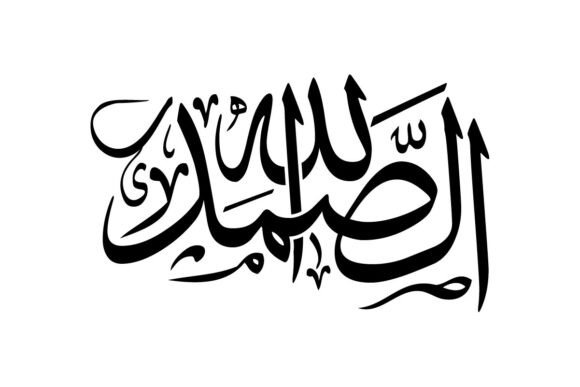
In the vast and intricate world of Islamic art, few concepts carry as much spiritual weight and aesthetic beauty as Allahus Samad. For those seeking to incorporate meaningful symbolism into their creative projects, understanding the depth behind this phrase is essential. Allahus-Samad is not merely a decorative element; it is a profound theological statement rendered in visual form. Translated as "Allah, the Eternal Refuge," this Arabic calligraphy vector design serves as a bridge between traditional spiritual values and modern digital creativity.
Whether you are a graphic designer, a student of Islamic culture, or someone looking to add a touch of serene elegance to your home decor, exploring the significance of this specific calligraphic piece offers valuable insights. This article delves into the meaning, artistic structure, and practical applications of the Allahus Samad vector, helping you appreciate its role in both spiritual and contemporary contexts.
The Theological Significance of Al-Samad
To truly appreciate the art, one must first understand the word. Al-Samad (The Eternal, The Absolute, The Self-Sufficient) is one of the 99 names of Allah in Islam. It appears prominently in Surah Al-Ikhlas (Chapter 112 of the Quran), which is considered one of the most significant chapters for defining the concept of monotheism. The verse states: "Allahu Samad", meaning God is the one whom all creatures depend upon, yet He depends on no one.
This concept of absolute independence and eternal support is central to Islamic faith. When artists create a vector design of this name, they are not just writing letters; they are visualizing the idea of stability, permanence, and divine reliance. For the viewer, encountering this calligraphy can serve as a reminder of spiritual grounding in an often chaotic world. It represents a sanctuary—a refuge that is unchanging and everlasting.
Why Vector Format Matters for Islamic Calligraphy
In the digital age, the medium is just as important as the message. Choosing a vector design for Allahus Samad calligraphy offers distinct advantages over raster images (like JPEGs or PNGs). A vector file uses mathematical equations to define lines and shapes, allowing the artwork to be scaled infinitely without losing quality. This is crucial for calligraphy, where the fluidity of the line and the precision of the curves define the beauty of the piece.
- Scalability: You can resize the design from a small business card to a large wall mural without any pixelation or blurring.
- Editability: Designers can easily adjust colors, stroke widths, or layout configurations to fit specific project needs.
- Print Quality: Vectors ensure crisp edges, which is vital for high-quality printing on various materials such as wood, metal, or fabric.
For professionals working in branding or interior design, using a high-quality vector ensures that the sanctity and elegance of the script are preserved regardless of the application size.
Bridging Tradition and Modern Creativity
Traditional Islamic calligraphy has roots stretching back centuries, utilizing tools like reed pens and ink on paper or parchment. However, the transition to digital vector art has opened new avenues for expression. The Allahus-Samad vector design maintains the traditional aesthetic—often featuring flowing Thuluth or Diwani scripts—while making it accessible for modern use.
This fusion allows for a versatile range of applications. It is no longer confined to mosque walls or handwritten manuscripts. Today, this digital art form fits seamlessly into various aspects of modern life, work, and creativity.
Practical Applications in Design and Decor
The versatility of the Allahus Samad vector makes it suitable for a wide array of creative projects. Here are some common ways this design is utilized in contemporary settings:
- Interior Decoration: Many homeowners and interior designers use this calligraphy as a focal point in living rooms or prayer spaces. The vector format allows it to be cut from wood or acrylic for 3D wall art, creating a sophisticated and spiritual ambiance.
- Apparel and Merchandise: Fashion brands incorporating modest wear or cultural themes often print this design on t-shirts, hoodies, and tote bags. The clean lines of the vector ensure sharp printing on fabric.
- Digital Media: Content creators and educators use these graphics in social media posts, video intros, or website headers to convey messages of peace, faith, and resilience.
- Stationery and Invitations: For weddings, religious events, or community gatherings, the design adds a dignified and culturally resonant touch to invitations and programs.
By integrating this traditional symbol into everyday items, individuals can keep their spiritual values visible and integrated into their daily routines.
Common Misunderstandings About Islamic Calligraphy Art
Despite its growing popularity, there are still misconceptions about the use of Islamic calligraphy in non-religious or commercial contexts. It is important to clarify these points to ensure respectful and appropriate usage.
Misconception 1: It is only for religious spaces.
While the text is sacred, the art form itself is celebrated for its aesthetic value across cultures. Using it in home decor or personal accessories is widely accepted as a way to express identity and faith, provided it is treated with respect.
Misconception 2: All calligraphy styles are the same.
There are numerous scripts in Arabic calligraphy, each with unique characteristics. The Allahus Samad design might be rendered in Kufic (geometric and angular) or Nasta'liq (flowing and diagonal). Understanding the style helps in choosing the right design for the right context. For instance, geometric Kufic might suit modern minimalist architecture, while flowing scripts may better complement traditional interiors.
Misconception 3: Digital vectors lack soul.
Some purists argue that digital art lacks the human touch of hand-written calligraphy. However, many vector designs are traced from original masterpieces created by skilled calligraphers. The vector format preserves the artist's original intent while making it accessible for broader use.
How to Choose the Right Allahus Samad Vector for Your Needs
When selecting a vector design for your project, consider the following factors to ensure it aligns with your vision and values:
- Script Style: Decide if you prefer a modern, minimalist look or a traditional, ornate style. This will depend on the overall aesthetic of your project.
- Composition: Some designs feature the name alone, while others include decorative elements like geometric patterns or floral motifs. Ensure the composition balances well with other design elements.
- File Format: Ensure the file is in a true vector format such as SVG, AI, or EPS. This guarantees editability and scalability.
- Licensing: Always check the usage rights. If you are using the design for commercial purposes, ensure you have the appropriate license from the creator.
The Role of Calligraphy in Cultural Identity
Beyond its religious significance, Allahus Samad calligraphy plays a vital role in preserving and promoting cultural identity. In a globalized world, visual symbols serve as powerful connectors to heritage. For Muslims around the world, displaying this art is a way to affirm their faith and cultural pride. For non-Muslims, appreciating the beauty of the script can foster cross-cultural understanding and admiration for Islamic artistic traditions.
Educators and community leaders often use such art pieces to spark conversations about theology, history, and art. It serves as a tangible entry point into deeper discussions about the values of self-sufficiency, reliance on the divine, and the pursuit of inner peace.
Conclusion
The Allahus Samad Arabic Calligraphy Vector is more than just a digital asset; it is a representation of deep spiritual truth and artistic heritage. By translating the concept of "Allah, the Eternal Refuge" into a scalable, versatile design, it bridges the gap between ancient tradition and modern creativity. Whether used for personal reflection, home decoration, or professional design projects, this art piece offers a timeless reminder of stability and faith.
As you explore the possibilities of incorporating this design into your life or work, remember the weight and beauty of the words it carries. Let it inspire not only aesthetic appreciation but also a deeper understanding of the values it represents. In doing so, you contribute to the ongoing legacy of Islamic art, keeping it vibrant and relevant in the digital age.
For those interested in exploring more about Islamic art forms or finding high-quality resources, consider visiting reputable digital art marketplaces or cultural heritage websites. Engaging with authentic sources ensures that the integrity of the art is maintained while allowing for creative innovation.