The Timeless Allure of Vintage Ornamental Design Elements: A Guide to Classic Elegance
In the fast-paced world of modern digital design, there is a profound and enduring appeal in looking backward. Vintage ornamental design elements serve as a bridge between the past and the present, offering designers, educators, and creatives a way to infuse their work with a sense of history, sophistication, and refined beauty. Whether you are designing a wedding invitation, branding a luxury product, or simply adding a touch of class to a personal project, understanding these classic motifs can elevate your visual communication significantly.
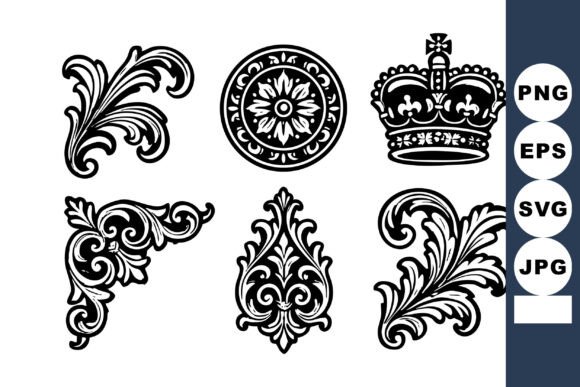
At its core, vintage ornamentation is about more than just decoration; it is about storytelling through visual language. When we look at a vector image featuring vintage ornamental designs, such as a regal crown intertwined with intricate floral scroll motifs, we are not just seeing black lines on a white background. We are witnessing a tradition of craftsmanship that has evolved over centuries. These elements evoke elegance and historical charm, creating a decorative and refined mood that minimalist design often struggles to achieve on its own.
Understanding the Anatomy of Vintage Ornaments
To effectively use these elements, one must first understand what constitutes them. Vintage ornamental design is characterized by specific stylistic traits that distinguish it from contemporary minimalism or abstract art. The most prominent features include:
- Floral Scrolls: These are curving, vine-like patterns that often mimic nature. They provide movement and fluidity to a design, guiding the viewer’s eye across the page.
- Regal Symbols: Items like crowns, shields, and crests denote authority, luxury, and heritage. A crown, for instance, immediately signals high quality or royal association.
- Symmetry and Balance: Classical design heavily relies on symmetrical arrangements, creating a sense of order and stability.
- High Contrast: Traditionally rendered in black ink on paper, these designs rely on strong contrast to define their intricate details.
The vector image described in our resource—showing a crown and floral scrolls in black—is a quintessential example of this style. The use of black ensures versatility, allowing the design to be overlaid on various backgrounds without clashing colors. This monochromatic approach is not a limitation but a strength, emphasizing form and line weight over hue.
The Significance of Vector Formats in Modern Design
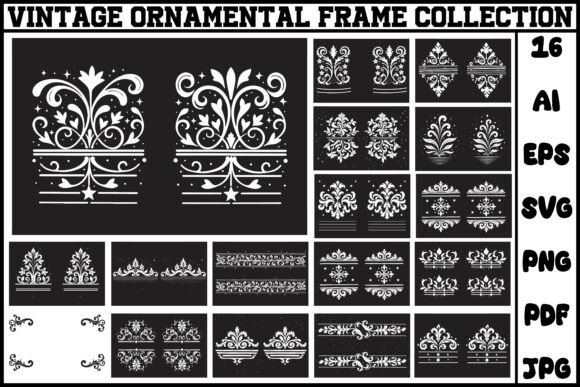
One of the most critical aspects of utilizing vintage elements today is the file format. The downloadable ZIP package mentioned includes SVG, EPS, JPG, and PNG files. For the modern designer, understanding the difference between these formats is crucial for maintaining the integrity of the ornamental details.
SVG (Scalable Vector Graphics) and EPS (Encapsulated PostScript) are vector formats. This means they are made of mathematical paths rather than pixels. You can scale a vintage floral scroll from the size of a postage stamp to the size of a billboard without any loss of quality. The lines remain crisp, and the curves remain smooth. This is essential for ornamental design, where a single pixelated edge can ruin the illusion of hand-drawn elegance.
On the other hand, JPG and PNG are raster formats. While they cannot be scaled up indefinitely, they are universally compatible and easy to use in word processors, social media posts, or quick web uploads. Having access to all four formats ensures that whether you are a professional graphic designer using Adobe Illustrator or a small business owner using Canva, you can utilize these assets effectively.
Practical Applications in Contemporary Life and Business
You might wonder, "Where do I actually use these vintage elements?" The answer is: almost everywhere. The versatility of classic ornamental design allows it to fit seamlessly into various sectors of modern life, work, and creativity.
- Branding and Identity: Businesses that want to convey trust, longevity, and premium quality often turn to vintage aesthetics. A bakery, a law firm, or a boutique hotel might use a crown motif in their logo to suggest they are the "best in class." The historical charm implies that the business has stood the test of time, even if it is new.
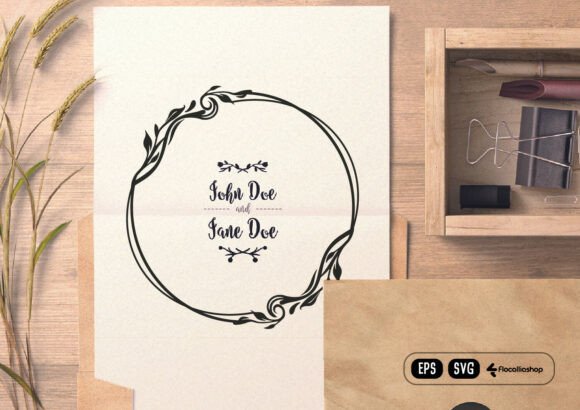
- Event Stationery: Weddings, galas, and formal dinners rely heavily on ornamental borders and flourishes. A floral scroll frame around the text of an invitation sets a tone of celebration and formality. It tells the guest that this is a special occasion requiring attention to detail.
- Packaging Design: In retail, packaging is the silent salesman. Using vintage ornamental elements on labels for artisanal soaps, wines, or coffees can differentiate a product on a crowded shelf. It suggests a handcrafted, small-batch quality that mass-produced items lack.
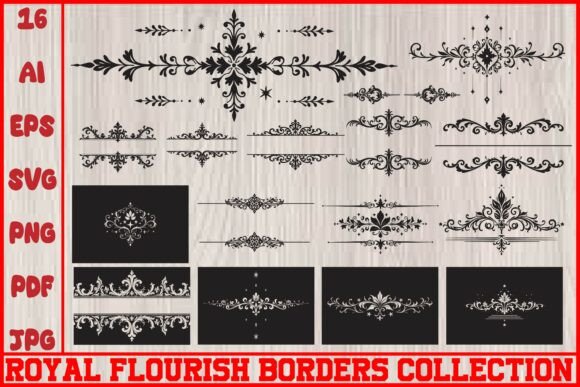
- Digital Content and Web Design: Even in the digital realm, these elements have a place. Header dividers, footer accents, and background textures using subtle scrollwork can add warmth to a website, preventing it from feeling too sterile or corporate.
Clarifying Common Misunderstandings
A common assumption among beginners is that vintage design is inherently "old-fashioned" or "outdated." This is a misunderstanding of how trends cycle. Vintage does not mean obsolete; it means timeless. When used correctly, ornamental elements do not make a design look ancient; they make it look established.
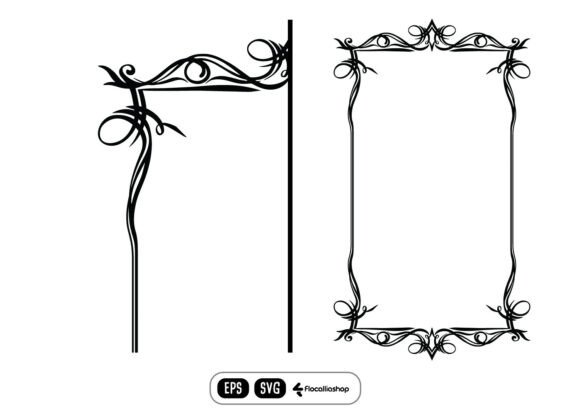
Another misconception is that these designs are too complex for modern tastes. However, the key lies in subtlety. You do not need to cover every inch of a page with scrolls. Using a single, well-placed crown icon or a delicate corner flourish can provide enough visual interest without overwhelming the viewer. The goal is enhancement, not domination.
How to Integrate Ornamental Elements Effectively
To truly master the use of these assets, consider the following best practices. These tips will help you build a broader understanding of how to balance the old with the new.
1. Respect White Space
Ornamental designs are detailed. To let them breathe, you must surround them with ample white space. If you crowd a floral scroll with too much text or other images, the intricacy gets lost, and the design feels cluttered. Let the elegance of the line work stand out.
2. Pair with Modern Typography
A powerful design strategy is to contrast vintage ornaments with clean, sans-serif fonts. This juxtaposition creates a dynamic tension that feels both classic and contemporary. For example, place a heavy, baroque-style scroll above a simple, modern headline. The result is sophisticated and fresh.
3. Maintain Consistency
If you choose a specific style of ornament—such as the black-and-white vector style mentioned—stick with it throughout your project. Do not mix highly detailed Victorian scrolls with rough, hand-drawn sketches unless you have a very specific artistic reason. Consistency builds a cohesive visual identity.
4. Consider the Emotional Tone
Different ornaments evoke different feelings. A crown suggests power and prestige. Floral scrolls suggest growth, nature, and softness. Choose the element that matches the emotion you wish to convey. If you are designing for a children's book, heavy, dark scrolls might feel too severe. If you are designing for a financial institution, whimsical flowers might feel too informal.
The Enduring Value of Historical Charm
In an era where digital tools allow us to create anything instantly, there is a growing appreciation for the perceived effort and artistry of the past. Vintage ornamental design elements tap into this desire for connection and authenticity. They remind us of a time when things were crafted with care, when details mattered, and when beauty was found in complexity.
By incorporating these elements into your work, you are not just decorating; you are participating in a long lineage of design history. You are leveraging the psychological impact of symbols that have communicated value and beauty for hundreds of years. Whether you are a student learning design principles, a business owner building a brand, or a hobbyist creating personal art, these tools offer a shortcut to elegance.
The availability of these designs in versatile formats like SVG and EPS democratizes this aesthetic. You no longer need to be a master illustrator to draw a perfect acanthus leaf or a symmetrical crown. You can focus on the composition and the message, letting the pre-made ornamental elements handle the heavy lifting of stylistic refinement.
Conclusion
Vintage ornamental design elements are far more than mere relics of the past. They are vibrant, functional tools that enhance modern communication. By understanding their anatomy, respecting their formats, and applying them with intention, you can create work that resonates with audiences on a deeper level. The combination of a regal crown and delicate floral scrolls is not just a picture; it is a statement of quality. Embrace the historical charm, utilize the technical flexibility of vector files, and let your designs speak with the voice of timeless elegance.
For those ready to explore this aesthetic further, starting with a comprehensive pack that includes multiple file types is the best first step. It allows for experimentation across different media, ensuring that your creative vision is never limited by technical constraints. As you integrate these elements into your portfolio, you will find that the line between the past and the present is not a barrier, but a canvas.