Indigenous Heritage Theme Letters Border: Authentic Classroom Decor for Cultural Learning
Creating a classroom environment that honors diversity requires more than just hanging up posters. It demands intentionality, respect, and resources that accurately reflect the cultures being studied. This is where Indigenous Heritage Theme Letters Border sets become invaluable tools for educators and content creators. These design elements are not merely decorative; they serve as visual anchors for lessons on Native American heritage, Indigenous Peoples’ Day, and multicultural awareness. By integrating respectful, Indigenous-inspired patterning into your display materials, you create an immersive learning atmosphere that supports social studies curricula while celebrating the rich traditions of American Indian cultures.
For teachers, marketers, and small business owners alike, the challenge often lies in finding high-quality, culturally sensitive assets that are versatile enough for multiple uses. Whether you are designing a bulletin board for a third-grade social studies unit or creating digital slides for a corporate diversity training, the right typography and border designs can significantly enhance engagement. This guide explores how these themed letters and borders function in real-world settings, offering practical advice on selection, application, and ethical considerations.
Beyond Decoration: Educational Value in Visual Design
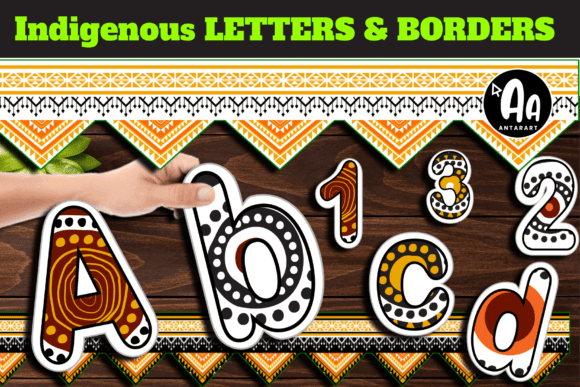
When we discuss classroom-ready bulletin board letters, we are talking about more than aesthetics. Visual cues play a critical role in literacy and retention. For elementary students, seeing uppercase and lowercase letters styled with cultural motifs helps bridge the gap between abstract concepts and tangible history. A letter "A" adorned with traditional geometric patterns becomes a conversation starter. It invites questions about the origin of the design, the meaning behind the symbols, and the people who created them.
Using Indigenous Heritage Theme Letters Border packs allows educators to seamlessly integrate cultural education into daily routines. Instead of relegating Native American history to a single week in November, these resources encourage year-round inclusion. You might use them to label reading corners with books by Indigenous authors, create name tags for a heritage month celebration, or design anchor charts for history lessons. The presence of these designs signals to students that Indigenous cultures are a living, vibrant part of our shared history, not just a topic confined to textbooks.
Versatile Applications for Educators and Creators
The utility of these printable PDFs and transparent PNGs extends far beyond the traditional classroom wall. Here is how different users can leverage these resources effectively:
- Elementary Teachers: Use the full set of uppercase, lowercase, numbers, and symbols to create dynamic titles for fall autumn units. The large cut-out format (one character per page) makes it easy for students to participate in the creation process, turning the decoration into a hands-on paper craft activity.
- Homeschool Parents: Enhance your home learning space with themed headers for subject bins or project displays. The matching borders provide a cohesive look that makes educational materials feel special and organized.
- Digital Content Creators: The high-resolution transparent PNGs are perfect for overlaying on presentation slides, e-books, or social media graphics. If you are blogging about Indigenous Peoples’ Day or creating marketing materials for multicultural events, these elements add authenticity without requiring advanced graphic design skills.
- Small Business Owners: Shop owners focusing on educational supplies or cultural goods can use these designs to create engaging window displays or promotional flyers during heritage months. The flexible sizes allow for printing on various media, from small name tags to large door displays.
Each of these scenarios benefits from the flexibility of the resource. Having access to three different border sizes means you can adapt the design to fit narrow header strips or wide bulletin board frames. This adaptability ensures that your visual messaging remains consistent and professional, regardless of the medium.
Navigating Cultural Respect and Accuracy
One of the most important considerations when using Indigenous Heritage Theme Letters Border is cultural sensitivity. Not all "Native-inspired" designs are created equal. Many generic clipart options rely on stereotypes or appropriate sacred symbols without context. When selecting resources for your classroom or business, look for designs that are described as "respectful" and "Indigenous-inspired" rather than those claiming to be authentic tribal artifacts unless verified by specific community sources.
The goal is to honor, not appropriate. Using these letters and borders should be part of a broader educational strategy that includes accurate historical information and contemporary perspectives. For instance, when decorating for Columbus Day units, consider pairing these visuals with primary source readings that highlight Indigenous viewpoints. Use the bulletin board to showcase student projects that explore the resilience and contributions of Native communities. This approach transforms simple decor into a tool for critical thinking and empathy.
Additionally, be mindful of the specific nations or tribes you are referencing. While general geometric patterns are often safe for broad educational use, avoiding specific sacred symbols unless you have explicit permission and understanding is crucial. The Indigenous Heritage Theme Letters Border packs discussed here focus on general aesthetic inspiration, making them suitable for diverse multicultural lessons without risking misrepresentation of specific tribal identities.
Practical Tips for Implementation
To get the most out of your paper craft bulletin board letters, consider the following practical steps:
- Preparation is Key: Since these are printable PDFs, ensure you have access to a reliable printer. For best results, use cardstock for the letters to ensure they hold their shape when cut out. If you are creating a long-lasting display, laminating the pieces can protect them from wear and tear.
- Involve Students: Turn the setup into a collaborative activity. Let students color or decorate the blank spaces within the letters using markers or colored pencils. This not only saves you time but also gives students ownership over their learning environment. It reinforces the lesson that culture is created and sustained by people.
- Digital Integration: Don’t limit these assets to physical spaces. Use the transparent PNGs to create digital headers for your class website or learning management system. Consistent branding across physical and digital spaces helps reinforce thematic units and keeps students engaged regardless of the platform.
- Contextualize the Display: Always accompany your decorated bulletin board with explanatory text. Why did you choose these patterns? What do they represent? Who are the Indigenous peoples local to your area? Providing context turns a pretty display into an educational opportunity.
Enhancing Literacy and Social Studies Centers
Literacy corners and word walls benefit greatly from themed decorations. When students see familiar letters styled in new ways, it reinforces letter recognition while adding visual interest. Use the Indigenous Heritage Theme Letters Border to label center stations such as "Reading," "Writing," or "History." The consistent use of these motifs across different areas of the room creates a unified theme that supports immersion learning.
In social studies centers, these borders can frame maps, timelines, or biographical sketches of notable Indigenous figures. The visual continuity helps students make connections between different aspects of the curriculum. For example, a timeline of Indigenous history framed by these borders can serve as a reference point throughout the semester, reminding students of the longevity and continuity of Native cultures.
Final Thoughts on Choosing Quality Resources
When investing in classroom decor or design assets, quality matters. Look for resources that offer high-resolution files, comprehensive character sets (including numbers and symbols), and flexible usage rights. The ability to print at various sizes without losing clarity is essential for professional-looking results. Moreover, choosing resources that prioritize respectful representation aligns with modern educational standards and ethical business practices.
By incorporating Indigenous Heritage Theme Letters Border into your teaching or creative projects, you are doing more than decorating. You are fostering an environment of respect, curiosity, and cultural appreciation. Whether you are preparing for Indigenous Peoples’ Day, enhancing a multicultural unit, or simply adding warmth to your classroom, these tools provide a meaningful way to engage learners and honor heritage. Remember, the most effective educational tools are those that inspire connection and understanding, turning everyday spaces into opportunities for discovery.