Gate Silhouette: Elevating Architectural Design with Ornate Wrought Iron Aesthetics
In the realm of architectural design and digital illustration, the visual impact of an entrance is paramount. A Gate Silhouette serves not merely as a boundary marker but as a defining statement of style, security, and elegance. Whether utilized in high-end landscape architecture for a mansion or as a graphic element in digital design projects, the interplay between black silhouettes and ornate wrought iron details creates a timeless aesthetic. This article explores the distinct characteristics of gate silhouettes, compares their application across physical and digital mediums, and provides practical guidance on selecting the right resources for your specific needs.
Understanding the Distinct Appeal of Ornate Wrought Iron Silhouettes
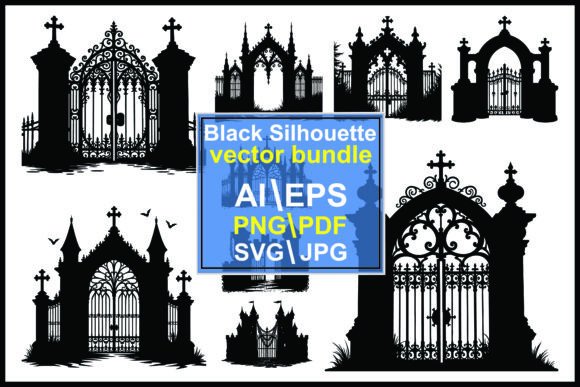
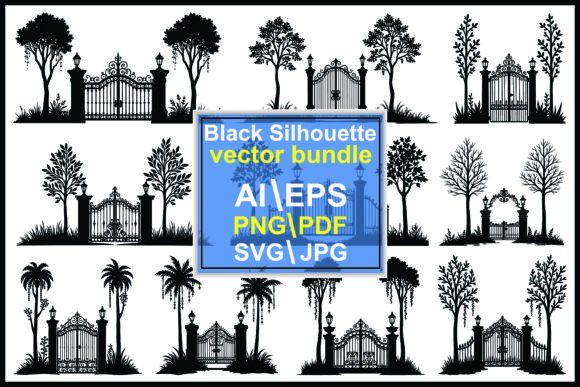
The term Gate Silhouette refers to the dark, solid outline of a gate structure against a lighter background, typically white or a soft landscape gradient. This high-contrast visual technique emphasizes the intricate metalwork and ornamental details of the design rather than its texture or color. In traditional architecture, this effect is achieved through the use of black wrought iron, a material renowned for its durability and malleability, allowing for complex, vintage, and classic patterns.
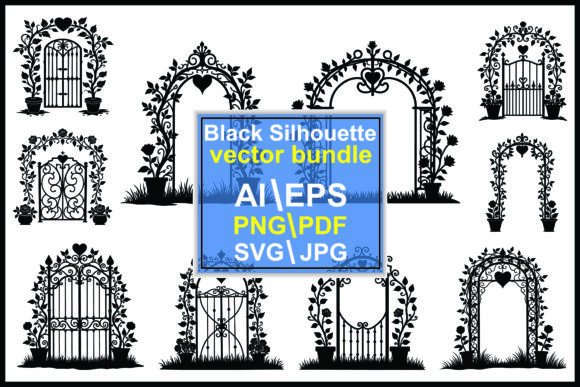
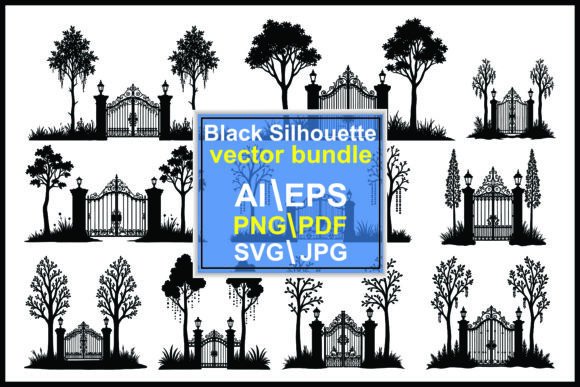
What makes a gate silhouette distinct is its ability to convey sophistication through simplicity. By stripping away color and focusing on form, the decorative elements—such as scrollwork, spearheads, and floral motifs—become the focal point. When paired with natural elements like trees, grass, and a lamp post, the silhouette creates a cohesive landscape scene that feels both grounded and artistic. This approach is particularly effective in estate and mansion entrances, where the goal is to project an image of exclusivity and refined taste.
Digital Resources vs. Physical Installation: A Comparative Overview
When considering gate silhouettes, it is essential to distinguish between their physical installation and their use as digital assets. For architects and homeowners, the focus is on material quality, maintenance, and structural integrity. For graphic designers, illustrators, and marketers, the focus shifts to file formats, scalability, and ease of integration into broader design projects.
Digital scene silhouette vector bundles have become invaluable resources for professionals who need to incorporate realistic outdoor scenes into their work without the time-consuming process of creating them from scratch. These bundles typically include a variety of formats to ensure compatibility with different software ecosystems. Understanding the tradeoffs between these formats is crucial for efficient workflow management.
- Vector Formats (AI, EPS, SVG): These files are resolution-independent, meaning they can be scaled to any size without losing quality. They are ideal for large-format printing, such as banners or building wraps, and for editing individual elements within design software like Adobe Illustrator.
- Raster Formats (JPG, PNG): These are pixel-based images. JPGs are suitable for web use where file size is a concern, while PNGs offer transparency, allowing the silhouette to be layered over other backgrounds seamlessly. However, they cannot be scaled up significantly without pixelation.
- PDF: Often used for proofing and sharing designs with clients who may not have specialized design software, PDFs preserve the vector data while ensuring universal accessibility.
A comprehensive bundle usually includes all these types, compressed into a single zip file. Users must extract these files using tools like WinZip, WinRAR, or the built-in extraction features of their operating system. This versatility ensures that whether you are working on a quick social media graphic or a detailed architectural rendering, you have the appropriate tool at hand.
Evaluating Use Cases: When to Choose Gate Silhouettes
The decision to utilize a gate silhouette design depends largely on the intended application and the desired emotional response from the audience. Below are several scenarios where this aesthetic excels, along with considerations for when alternative approaches might be more suitable.
Ideal Applications for Gate Silhouettes
- Real Estate and Property Marketing: High-end property listings often benefit from the elegant, mysterious allure of a silhouette. It suggests privacy and exclusivity without revealing too much, enticing potential buyers to imagine the luxury within.
- Event Invitations and Branding: For weddings, galas, or corporate events held at historic venues, a decorative gate silhouette sets a tone of elegant formality. It acts as a visual metaphor for entry into a special experience.
- Landscape Architecture Presentations: Architects use these silhouettes to contextualize new designs within existing environments. Adding tree silhouettes and grass elements helps clients visualize the scale and integration of the proposed iron gate within the broader outdoor scene.
- Web and UI Design: As header images or section dividers, gate silhouettes provide a strong horizontal anchor that guides the user’s eye. The high contrast ensures readability of overlaid text.
Limitations and Alternative Considerations
While versatile, gate silhouettes are not always the best choice. If the goal is to showcase the specific color, material texture, or lighting effects of a real-world product, a full-color photograph or a 3D render is superior. Silhouettes abstract reality; they remove detail. Therefore, if a client needs to see the exact finish of the metal or the specific shade of green in the surrounding foliage, a silhouette will fail to communicate that information.
Additionally, overuse of ornate, vintage styles can feel clichéd if not balanced with modern design elements. In contemporary minimalist projects, a simpler, geometric gate design may be more appropriate than a highly ornate wrought iron pattern. Designers should evaluate the overall brand identity or architectural style before committing to a complex silhouette.
Technical Considerations for Digital Asset Management
For those utilizing digital Gate Silhouette resources, proper file management is key to maintaining efficiency. Since these bundles contain multiple file types, organizing them immediately after extraction is recommended. Create separate folders for vectors (AI, EPS, SVG) and rasters (JPG, PNG) to streamline access during the design process.
It is also important to verify the licensing terms of the bundle. Most reputable resources allow for broad usage, including commercial projects, but checking for any restrictions on redistribution or resale is a prudent step. The ability to use these designs for "any purpose" offers significant flexibility, allowing creators to integrate them into everything from personal blog posts to large-scale advertising campaigns.
Making an Informed Decision
Choosing the right gate silhouette resource involves balancing aesthetic preferences with technical requirements. Ask yourself the following questions:
- What is the final output? If it is print, prioritize vector formats (AI, EPS) for crisp edges. If it is web-only, optimized PNGs or SVGs may suffice.
- How much customization is needed? If you plan to alter the shape of the gate or the arrangement of the trees, vector files are essential. Raster images are static and difficult to modify without advanced photo editing skills.
- Does the style match the context? Ensure the ornamental level of the gate aligns with the surrounding landscape elements. A highly intricate gate pairs well with detailed foliage, while a simpler gate may suit a minimalist park or pathway scene.
In conclusion, Gate Silhouette designs offer a powerful blend of artistic expression and functional utility. Whether enhancing a digital composition or inspiring a physical entrance design, the classic elegance of black wrought iron against a light background remains a compelling choice. By understanding the strengths of different file formats and recognizing the appropriate contexts for use, designers and homeowners alike can leverage these elements to create impactful, memorable visuals. The availability of comprehensive bundles containing JPG, PNG, AI, EPS, SVG, and PDF files ensures that regardless of your technical setup, you can access and utilize these architectural elements with ease and precision.