Elevate Holiday Designs with Stained Glass Nativity Art
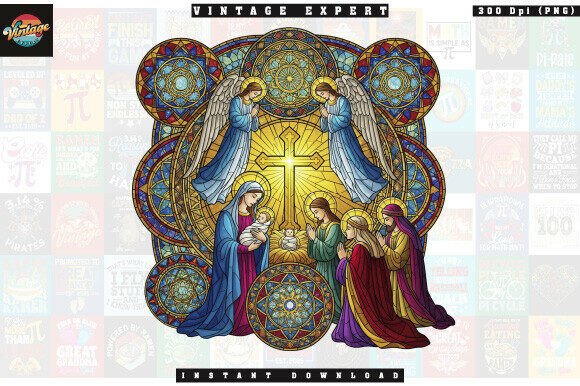
In the realm of seasonal graphic design, few visual styles command attention quite like the intricate beauty of traditional stained glass. A Stained Glass Christmas Nativity Scene offers more than just festive imagery; it provides a rich tapestry of color, light, and spiritual symbolism that can elevate any creative project. For designers seeking to infuse their work with depth and reverence, this aesthetic serves as a powerful tool for visual storytelling.
The appeal of this style lies in its ability to blend historical artistry with modern digital utility. By incorporating elements such as Mary, Joseph, Baby Jesus, angels, and wise men within a glowing, mandala-inspired framework, designers can create compositions that feel both timeless and contemporary. The central glowing cross acts as a focal point, guiding the viewer’s eye through the visual hierarchy while maintaining a sense of balance and harmony.
The Power of Visual Symbolism in Branding
When developing brand identity for religious organizations, community groups, or holiday-focused businesses, the choice of imagery is critical. A high-quality stained glass illustration communicates values of tradition, warmth, and sanctity without relying on excessive text. This visual shorthand is invaluable in digital marketing, where users scan content rapidly. The vibrant color palette inherent in stained glass designs—deep blues, radiant golds, and rich reds—creates an immediate emotional connection, enhancing user engagement across various platforms.
Furthermore, the transparency of modern digital assets allows for seamless integration into existing design systems. Whether used in web design, UI components, or social media graphics, these elements can be layered over diverse backgrounds without losing their integrity. This flexibility ensures that the core message remains clear and impactful, regardless of the medium.
Practical Applications for Creative Professionals
The versatility of a premium PNG file with a transparent background opens up a myriad of possibilities for print design and merchandise. Here are several ways designers can leverage this asset effectively:
- Greeting Cards and Stationery: The intricate details and high resolution (300 DPI) make it ideal for printed materials, ensuring crisp lines and vibrant colors that stand out on paper.
- Apparel and Merchandise: Perfect for Print on Demand (POD) products such as t-shirts, tote bags, and mugs. The transparent background allows the design to sit naturally on fabric of any color.
- Digital Decor and Wall Art: Ideal for creating downloadable prints or digital frames, offering customers an instant way to enhance their home decor during the holiday season.
- Social Media Content: Use the central motifs to create eye-catching posts, stories, or headers that resonate with audiences seeking meaningful holiday content.
Ensuring Professional Quality in Design Workflow
To maximize the impact of such creative assets, attention must be paid to technical specifications and visual consistency. When selecting digital resources, always prioritize high-resolution files to avoid pixelation in large-format prints. A 300 DPI resolution is the industry standard for professional printing, ensuring that every detail of the mandala patterns and window details remains sharp.
Color management is another crucial aspect of the design workflow. While digital screens display colors in RGB, print materials use CMYK. Designers should anticipate slight variations in hue due to monitor settings and print quality. Testing proofs on different materials can help maintain the intended visual impact. Additionally, respecting the visual hierarchy by allowing the glowing cross and central figures to dominate the composition ensures that the narrative remains clear and compelling.
It is also important to adhere to licensing terms when using commercial assets. While these files are perfect for creating end-products for sale, such as books, pillows, or stickers, the digital files themselves cannot be resold or redistributed. This distinction protects the intellectual property of the creator while allowing designers to freely innovate with the final output.
Ultimately, the integration of a Stained Glass Christmas Nativity Scene into your design portfolio offers a unique opportunity to blend artistic heritage with modern functionality. By focusing on clarity, scalability, and aesthetic coherence, designers can produce work that not only meets professional standards but also resonates deeply with audiences. Thoughtful selection and application of such high-quality creative assets ensure that every project communicates its message with elegance and precision, reinforcing the power of visual design in connecting people with meaningful traditions.